 You are here:
Automatic Blind Rivet Machine: Rivet Size Compatibility Guide
Can Any Rivet Size Run on an Automatic Blind Rivet Machine? Fit Range and Selection Guide
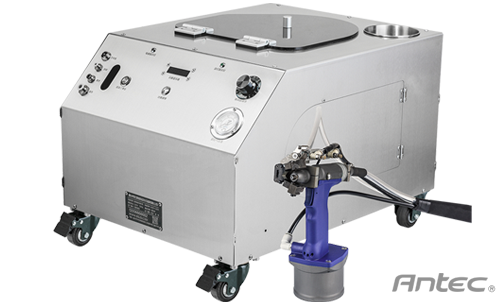
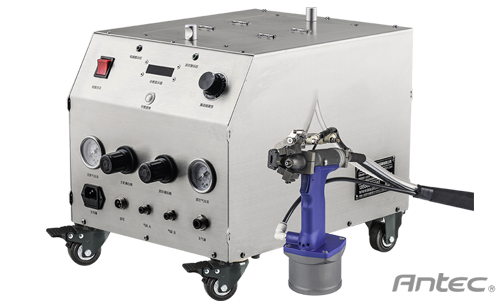
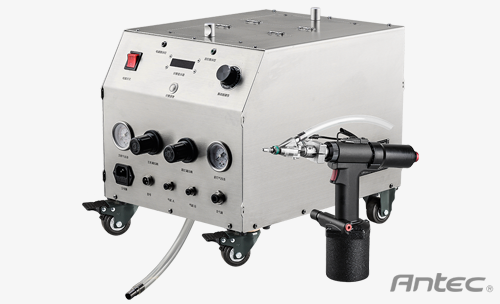
No. One automatic blind rivet machine cannot cover every rivet on the market. The feed channel (feed tube), singulation mechanism, nosepiece and pull force are all designed around one specific rivet size, and a large gap between sizes shows up as jammed rivets, rivets that stop short of the nosepiece, or a mandrel that will not break. Here is where the fit limits sit, and how to handle multiple sizes the right way.
1. The Four Specs That Decide Fit
| Parameter | What goes wrong when it does not match | Matching configuration |
|---|---|---|
| Cap diameter (head diameter) | Jammed rivets, head will not seat | Nosepiece and singulation disc size |
| Body diameter (shank diameter) | Rivets stick or flip in the feed | Feed channel bore and guide geometry |
| Rivet length | Rivets arrive out of sequence, feed stops short | Channel length and singulation timing |
| Material / pull force demand | Mandrel will not break, or the joint stays loose | Cylinder pull force class (about 12800N as standard, higher on custom builds) |
2. Typical Working Range
Standard models cover the small and medium blind rivets used most often in enclosures and cabinets, sheet metal fabrication and home appliances. Aluminum and steel rivets feed best. Stainless steel and structural rivets need higher pull force, so they call for a heavier cylinder configuration. Rivet nuts are a different process: they run on a dedicated automatic rivet nut gun, typically covering M3-M12, and the two platforms are not interchangeable. The real working range has to be proven on your own rivet samples, and Antec will not promise that everything fits without a sample in hand.
3. Handling Multiple Rivet Sizes
Close sizes: change the nosepiece and adjust the feed channel settings. Changeover is quick, which suits high-mix, low-volume production.
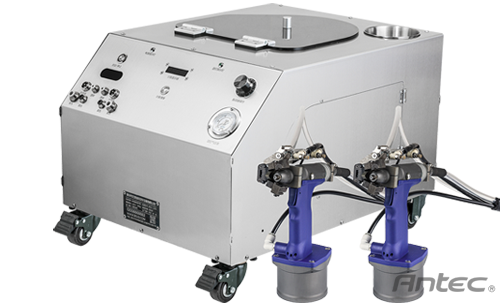
Wide size spread: go to a multi-channel design (one machine feeding several rivet lines) or fit several guns and switch guns by size.
Different fastener types altogether: blind rivets and rivet nuts each need their own platform, an automatic blind rivet machine and an automatic rivet nut gun. A robotic workstation can change tools to handle both processes, but that is a project-level integration.
4. Selection Advice
Step one: list every rivet size you run today and expect to run, with material and volume. Step two: size the machine around your highest-volume rivet and keep the secondary sizes in view. Step three: send samples or book an on-site trial so each key size runs a continuous sample batch and you can check jam rate and joint quality. Enclosure, power distribution cabinet, home appliance and kitchen equipment plants run many rivet sizes and change over often, so put changeover time on the scorecard during the trial.
5. Common Rivet Types and the Equipment They Run On
| Fastener type | Process characteristics | Equipment |
|---|---|---|
| Blind rivet (pop rivet) | Single-side riveting, mandrel breaks to set the joint; the standard choice for enclosure and cabinet sheet metal | Automatic blind rivet machine / automatic rivet gun |
| Rivet nut | Forms internal threads in thin sheet so screws can be fitted later | Automatic rivet nut gun |
| Structural rivet | High clamp load and high reliability, common in automotive and new energy work | High-pull-force custom model |
| Grooved rivets and similar | High-strength, vibration-resistant joints | Special-purpose model, sample evaluation required |
Each fastener feeds, clamps and sets differently, so the equipment is normally not interchangeable. When you request a quote, say first whether you run blind rivets or rivet nuts, then give the size data; that keeps the selection on the right track. Automotive parts plants use rivet nuts in volume, as the new energy vehicle riveting case study shows.
If the rivet size is not confirmed yet, the safest route is to send 10-20 sample rivets of each size and one or two typical workpieces. Our engineers measure cap diameter, body diameter and length, run continuous sample batches, and give you a clear verdict: standard machine covers it, you need a custom feed channel, or you need more pull force. That beats guessing from experience. Samples can be returned as they came or kept as a first-article reference for the production run.
Rivet Size Fit FAQ
Fit FAQ
Very long or very short rivets are harder to sort, so they need a custom feed channel and singulation mechanism. A sample test confirms the design, and a few extreme sizes are better served by a dedicated model.
Stainless rivets need high pull force and put more load on the gun body, so leave pull-force headroom in the selection and test hard for stability in continuous operation.
For close sizes, a nosepiece change is enough. For a bigger difference, add a feed channel or a second gun. Antec keeps nosepieces and other wear parts in stock and supplies them at cost price for the long term.
Mixing the two is not recommended, because the nosepieces and the processes differ. A robotic workstation can change tools to run both, but that is a project-level solution; a normal line usually gets one automatic blind rivet machine and one automatic rivet nut gun.
Customers Worldwide: Send Your Sizes, Get a Proposal and Price Range in 10 Minutes
Send your rivet size list and we will confirm whether a standard machine covers it. Phone +86 13556668682.
Further reading: What information do I need to provide for a custom automatic blind rivet machine · Does every automatic blind rivet machine need to be custom built · Automatic blind rivet machine product center
 Previous